Our program posted and discussed on ScienceAlert

Dhaka waterways (Credit: J. Arvanitakis)In Bangladesh, up to 77 million people are affected by dangerous levels of arsenic in the water – essentially the biggest mass poisoning in history. But a UNSW Science researcher and activist is currently leading an Arsenic Mitigation and Social Mobilisation program, empowering local communities to effectively and sustainably deal with the problem.

Join the discussion on ScienceAlert here.

Campaign: An ambulance for our community clinic


geefsamen-smallPlease share and support our online campaign
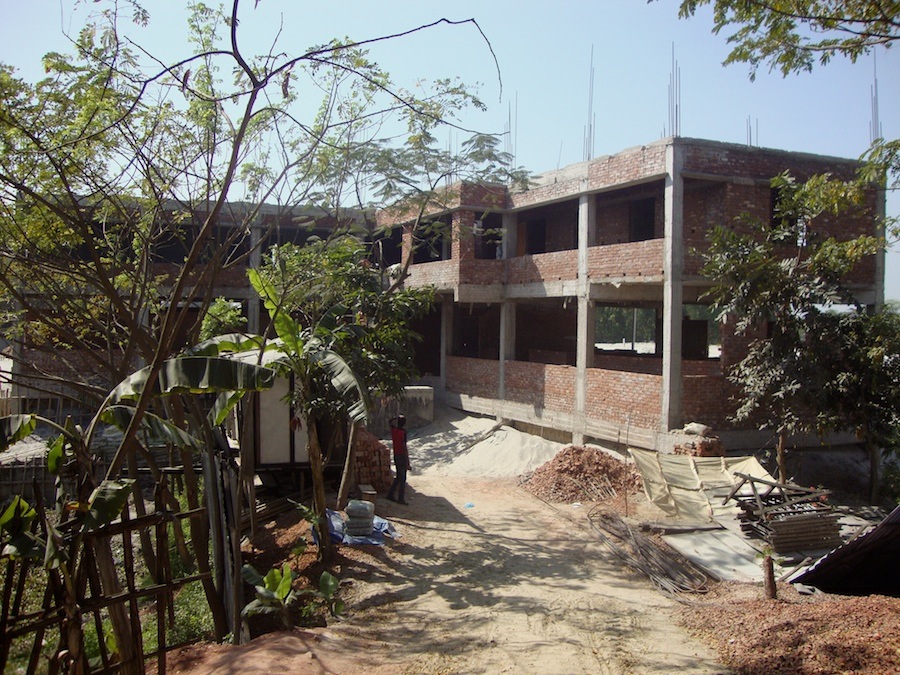
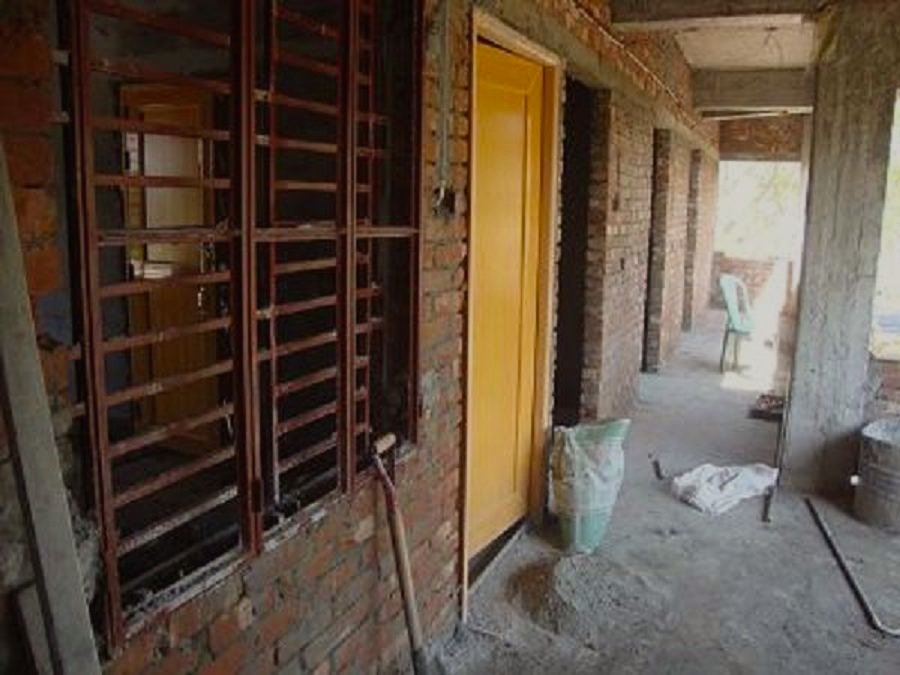
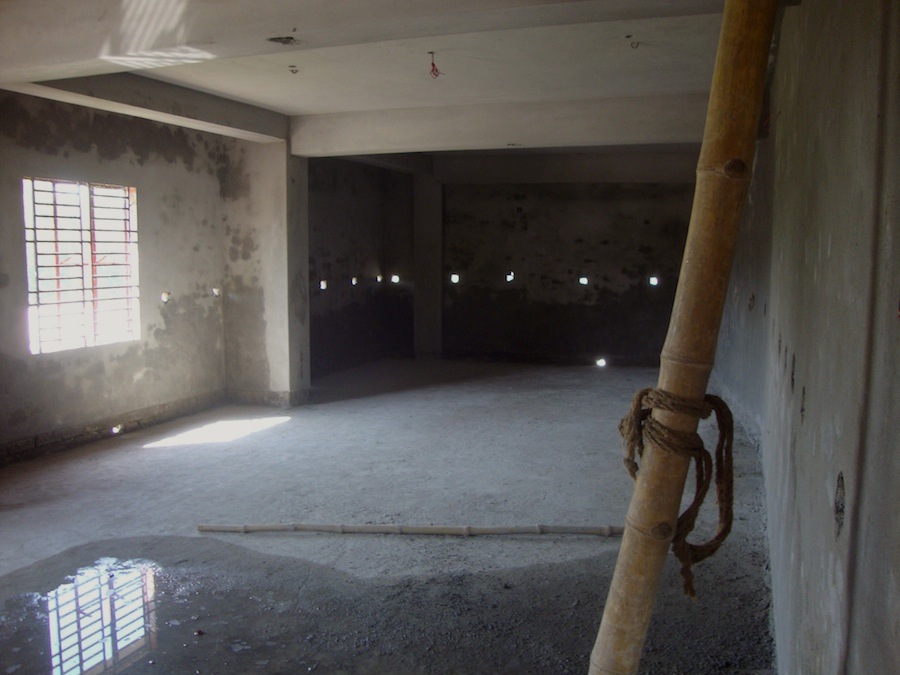
In 2011, we were granted support from the Japan Government to establish a community clinic. The construction is now almost completed. With this clinic we will strengthen the health related activities of our program. We are now looking for funds to purchase an ambulance though this online campaign. We are active in areas spread out over the district and will continue to expand into new communities thanks to our sponsors and to recent funding from WaterAid. Please have a look at this 4-minutes video for more information about the community clinic and the need to ensure transportation of patients.

Our talk on arsenic and governance at Dhaka University

A study found that an average of 29% of Safe Water Options (SWOs) that were installed in response to the arsenic crisis over the past decade became arsenic contaminated or broke down. While already quite alarming, the study does not account for the fact that a proportion of the remaining active SWOs are in reality not community-based, but are monopolized by influential or well-connected families. AMRF was invited to discuss these matters in a guest lecture entitled “Arsenic in Bangladesh, a crisis of governance” at the Department of Geology, Faculty of Earth and Environmental Sciences, University of Dhaka.

slides DU

New support for our programme from WaterAid

wateraidWe are very pleased to announce that WaterAid Bangladesh has expressed interest in supporting AMRF for a period of 3 years nine months (2013-2016) to implement a project to promote safe water, sanitation access and hygiene motivation among the rural poor in the arsenic-affected sub-districts of Sreenagar and Lauhajang under Munshiganj district. This will allow us to continue expanding our programme into new communities and share our experiences with other organisations at the national level.

Publication: Participatory Action Research in Marginalised Communities, Safe Drinking Water in Rural Bangladesh

parThe field research experience described in this article arose from an involvement in a safe drinking water programme in rural Bangladesh since 2005. The projects set out to establish water supplies in several marginalised and arsenic-affected communities – a matter of grave urgency since the discovery of arsenic in the groundwater more than a decade ago. Millions of users are exposed and the implementation of solutions is generally inadequate. The research objectives were (1) to better understand the situation, and (2) to search for more adequate approaches. The research was predominantly informed by project activities on the ground and, in turn, this learning experience was fed back into the programme to help guide new activities. Essentially, the researcher acted both as an observer and practitioner. To fulfil this double role, Participatory Action Research (PAR) provides a potentially useful methodology. This paper presents the experiences with PAR in the field, and reflects on its participative, qualitative and cyclic characteristics. It discusses implications of PAR for governance, as well as for academic research.

Continue reading

Film: Development in Bad Waters

Synopsis

Many of us still don’t know the difference between charity and development. While the total amount of foreign aid to Bangladesh since its independence is nearing $50 billion, the income gap has continued to increase. The inequalities persist in a range of human living conditions, not just in a financial sense. This film is concerned with some of those living conditions, starting with health, access to nutritious food and to safe and reliable drinking water. These are matters of grave urgency since the discovery of arsenic in the water almost two decades ago. The film explores the many failures to reach marginalised people and communities as a whole.
However, the observation that the inequalities have not been effectively addressed despite the efforts should not be used as an excuse to stop; it should be used as an argument to start doing things differently. The most important inequality that will need to be reduced is in the power to decide over one’s living conditions. It is one thing to reach out to the poor with water supplies and medicine, but if nothing is done to the circumstances that created the inequalities in the first place, then we haven’t managed to move beyond the mere provision of charity.
The process of social mobilisation that the Arsenic Mitigation and Research Foundation is facilitating has started to empower those that are normally marginalised from decision making processes. Already there are several positive signals that this is strengthening the communities’ sense of control over their own lives.

Development in Bad Waters (2013) on IMDb

Details

Duration: 61 minutes
(Post-)Production: Crelis Rammelt.
Camera: Anton Rammelt, John Merson, Crelis Rammelt.
Post-production supervision: Arno Beekman, RGBAZ.
Music: flute and tabla (Bruce Miller) / CC BY-NC-ND 3.0
With thanks to the generous support of our sponsors.
Prepared in collaboration with the Institute of Environmental Studies at the University of New South Wales.

An 8 minutes summary/trailer is available here

Also featured on

greensqFilmsForActionIMDb246719_284736071641443_324172015_a